What Materials Are Used in Watchmaking?
Contents
The Historical Context of Watchmaking Materials
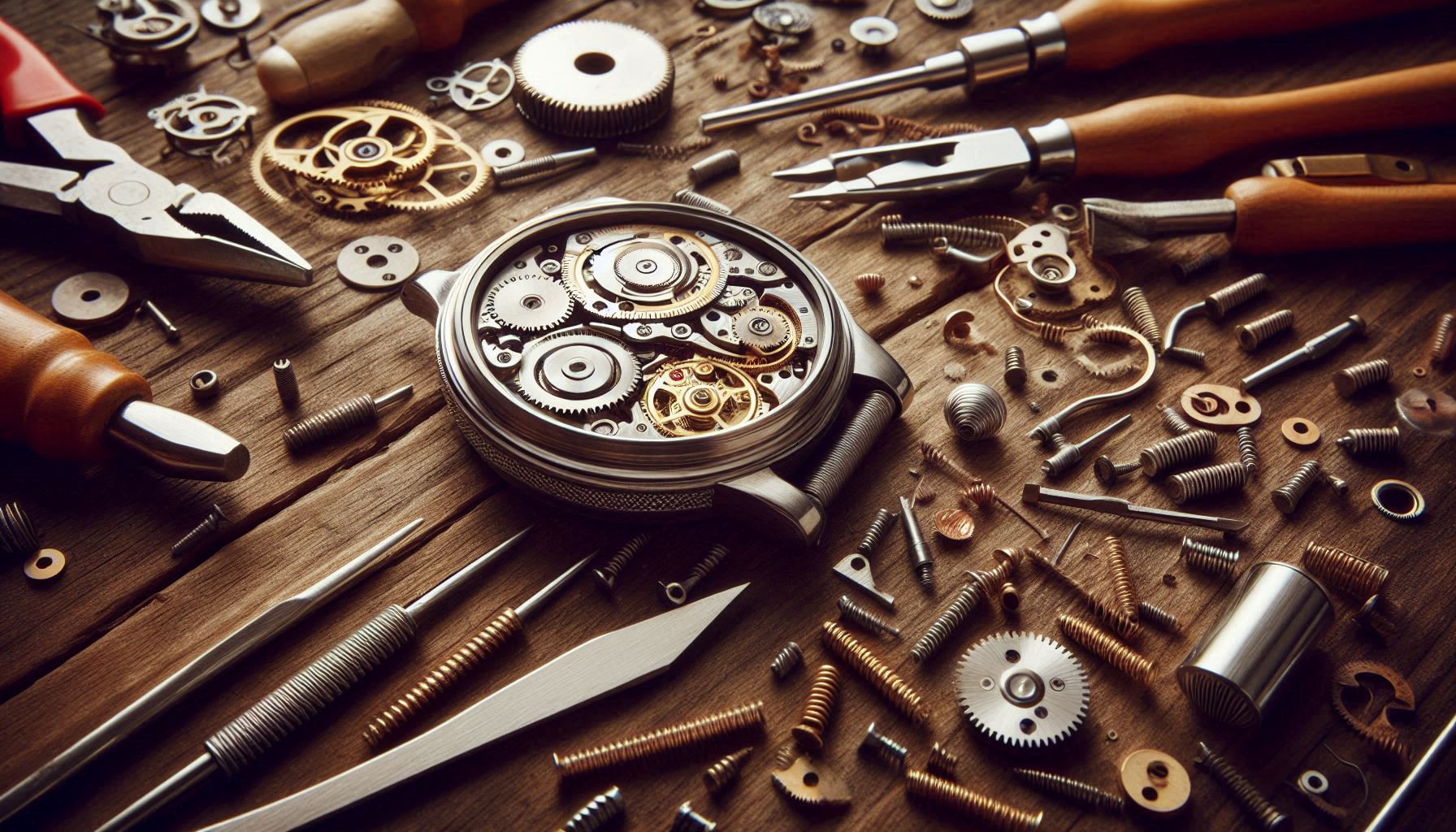
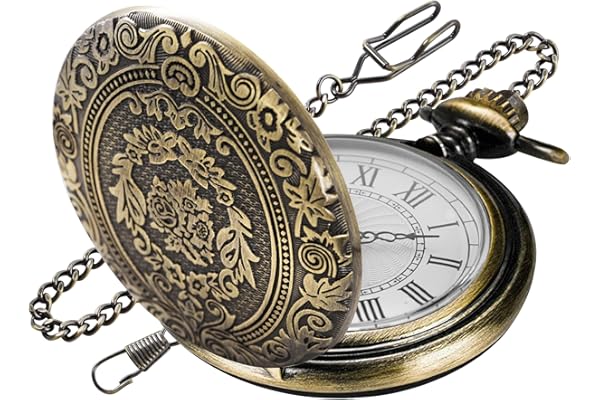
Throughout history, the evolution of watchmaking materials has mirrored the advancements in technology and craftsmanship. In the early days of horology, watchmakers primarily used materials that were readily available and easy to work with. Brass, for instance, was a popular choice due to its malleability and resistance to corrosion. Brass components, often found in the movements of early pocket watches, provided the necessary durability and precision needed for timekeeping mechanisms.
As the art of watchmaking progressed, so did the materials used. The introduction of steel in the 19th century marked a significant turning point. Steel offered superior strength and resilience, making it ideal for the construction of watch cases and gears. The use of precious metals such as gold and silver also became prevalent, not only for their aesthetic appeal but also for their resistance to tarnish and wear. These materials elevated watches from mere timekeeping devices to symbols of status and luxury.
The 20th century brought about a revolution in watchmaking materials with the advent of synthetic compounds and alloys. Stainless steel, in particular, became a staple in the industry due to its robustness and affordability. The development of synthetic sapphire for watch crystals was another groundbreaking innovation, offering unparalleled scratch resistance and clarity. These advancements not only enhanced the functionality and longevity of watches but also expanded the possibilities for design and creativity.
Metals and Alloys: The Backbone of Durability
Metals and alloys form the backbone of modern watchmaking, providing the structural integrity and resilience necessary for both function and form. Stainless steel remains a predominant choice for watch cases, bracelets, and clasps due to its excellent balance of strength, corrosion resistance, and cost-effectiveness. Its versatility allows for a range of finishes, from polished and brushed to matte, catering to diverse aesthetic preferences.
Titanium has gained popularity as a material for watch cases and components, particularly in sports and diving watches. Its lightweight nature, coupled with exceptional strength and resistance to extreme conditions, makes it ideal for high-performance timepieces. Additionally, titanium’s hypoallergenic properties make it a preferred choice for individuals with sensitive skin, further broadening its appeal.
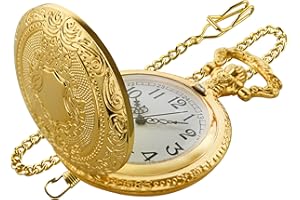
For those seeking luxury and exclusivity, precious metals such as gold, platinum, and palladium are often used in watchmaking. These metals not only add intrinsic value but also offer unique characteristics that enhance the overall aesthetic. Gold, for instance, is prized for its warm, lustrous appearance, while platinum’s density and rarity make it a symbol of prestige and refinement. The use of these metals often extends to intricate detailing, including bezels, crowns, and even movement components, showcasing the craftsmanship and artistry involved in high-end watchmaking.

Innovative Materials: Pushing the Boundaries
The quest for innovation in watchmaking has led to the exploration of unconventional materials that push the boundaries of design and performance. Ceramic, for example, has become increasingly popular for its lightweight nature and resistance to scratches and wear. Its smooth, polished surface offers a modern and sophisticated look, often used in watch cases and bezels. Ceramic’s thermal stability and hypoallergenic properties further contribute to its appeal in contemporary watch designs.
Carbon fiber and forged carbon are cutting-edge materials that have made their way into the watchmaking industry, particularly in sports and luxury timepieces. Known for their exceptional strength-to-weight ratio, these materials offer unparalleled durability and resistance to impact. Their distinctive texture and appearance add a dynamic and futuristic element to watch designs, appealing to enthusiasts who seek a blend of performance and style.
Another notable innovation is the use of silicon in watch movements. Silicon components, such as escapements and hairsprings, provide significant advantages in terms of precision and reliability. Their non-magnetic and self-lubricating properties reduce friction and wear, resulting in improved accuracy and longevity. The integration of silicon technology represents a significant leap forward in the pursuit of precision timekeeping, marking a new era in horological engineering.
Natural and Synthetic Crystals: Clarity and Protection
The choice of crystal material is a critical consideration in watchmaking, as it directly impacts both the clarity and durability of the timepiece. Traditional watch crystals were made from mineral glass, which offers reasonable scratch resistance and clarity. However, advancements in materials science have led to the widespread adoption of synthetic sapphire crystals, which provide superior hardness and scratch resistance.
Synthetic sapphire, an artificially grown crystal, is second only to diamond in terms of hardness. This exceptional property makes it virtually immune to scratches, ensuring that the watch face remains clear and pristine over time. Additionally, sapphire crystals offer excellent transparency, allowing for optimal legibility of the watch dial. These qualities make sapphire the preferred choice for high-end and luxury watches, where both durability and aesthetics are paramount.
In some watches, particularly those designed for extreme conditions or specialized functions, manufacturers may opt for acrylic crystals. Acrylic, a type of plastic, is lightweight and highly impact-resistant, making it ideal for sports and military watches. While it may scratch more easily than sapphire, acrylic crystals can be polished to remove minor blemishes, offering a practical solution for rugged environments where durability is a priority.
Straps and Bracelets: Balancing Comfort and Style
The materials used in watch straps and bracelets play a crucial role in determining the overall comfort and style of the timepiece. Leather remains a classic choice, appreciated for its timeless elegance and versatility. High-quality leather straps offer a comfortable fit and can be crafted in various textures and finishes, from smooth and polished to rugged and distressed. Leather’s ability to develop a unique patina over time adds character and individuality to the watch, making it a favored option for both casual and formal occasions.
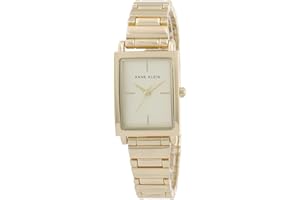
For those seeking a more contemporary look, metal bracelets, particularly those made from stainless steel, are a popular choice. Metal bracelets offer durability and a refined aesthetic, often featuring intricate link designs that complement the watch case. The use of materials such as titanium and ceramic in bracelets further expands the range of options, catering to diverse tastes and preferences.
In recent years, the rise of sustainable and eco-friendly practices has led to the exploration of alternative materials for watch straps. Recycled materials, such as ocean plastics and plant-based fibers, are being used to create innovative and environmentally conscious strap options. These materials not only contribute to sustainability efforts but also offer unique textures and colors, allowing watch enthusiasts to make a statement both in terms of style and values.